Beginner Yoga Poses for Enhanced Flexibility

Welcome to our home base for gentle growth. Today’s chosen theme is Beginner Yoga Poses for Enhanced Flexibility. We will demystify safe stretches, simple flows, and breath-led techniques so you can feel open, steady, and confident. Share your wins in the comments and subscribe for weekly beginner-friendly guidance.

Breath and Warm-Up: Setting the Stage

Place a hand on your belly and inhale slowly through your nose, letting the hand rise. Exhale longer than you inhale to encourage relaxation. This simple rhythm signals safety, softens guarding, and makes beginner poses feel more accessible, especially when you pause at the first hint of resistance.
Knees wide or together, hips toward heels, and forehead resting on a block or cushion. Let your belly soften with each breath. If knees feel sensitive, place a folded blanket under them. Hold for thirty to sixty seconds, noticing your lower back and hips melting a little more on every exhale.

A Gentle 10-Minute Flow for Enhanced Flexibility

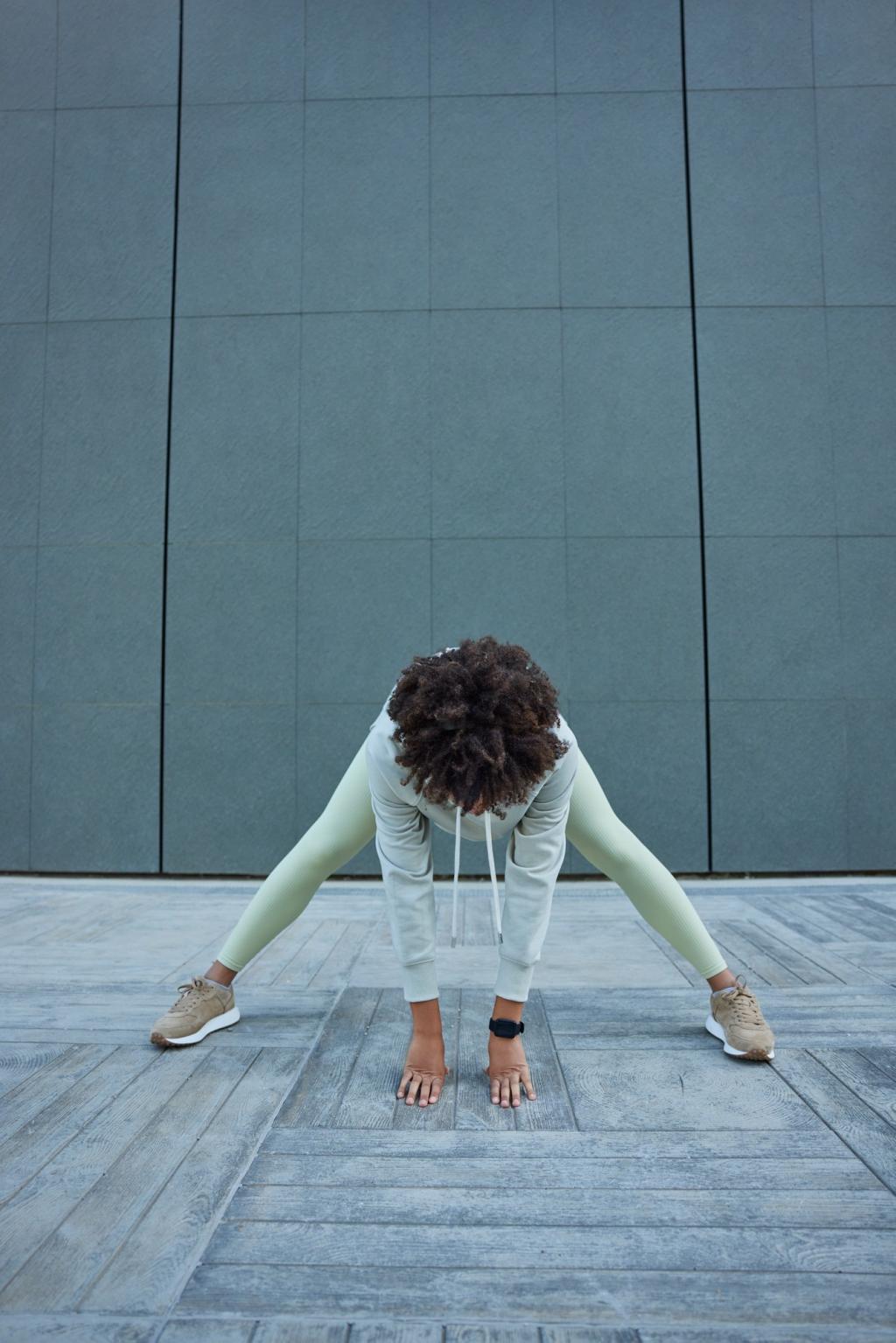
Begin in child’s pose for one minute, move through cat-cow for another minute, step to low lunge each side, then downward dog with bent knees. Finish seated forward fold and a reclined figure-four. Keep transitions unhurried and prioritize comfort. Ten minutes done consistently beats one ambitious session skipped.

A Gentle 10-Minute Flow for Enhanced Flexibility

Inhale to lengthen and create space; exhale to settle gently into the pose. Try a four-count inhale, six-count exhale. If breath becomes choppy, ease out slightly. This simple cue protects beginners from rushing, and it trains your body to relax protective tension while expanding range steadily over time.
Blocks, straps, and blankets as teammates

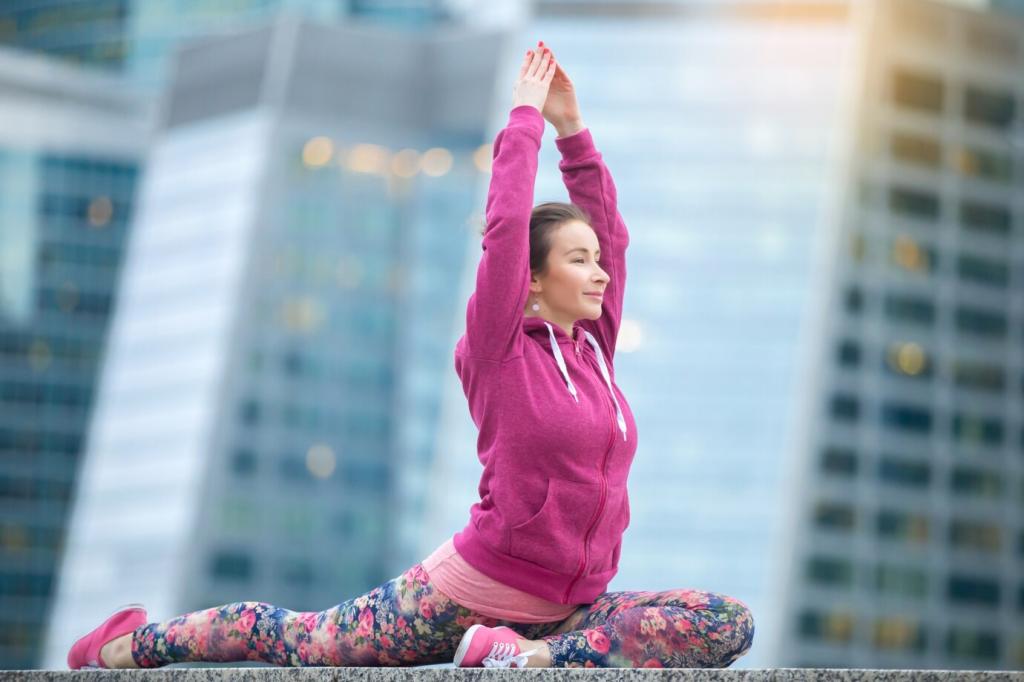
Blocks bring the floor closer, straps extend your reach, and blankets cushion sensitive joints. Use two blocks under hands in low lunge, a strap in forward folds, and blanket support under knees during child’s pose. Comfort multiplies consistency, and consistency grows flexibility without the frustration of forcing depth.

Chair-supported variations for beginners

Use a chair for stability in lunges, placing hands on the seat while you gently shift forward. Sit for a supported forward fold with a strap, keeping the back long. Chair options remove balance worries, so you can focus on breathing, alignment, and the soothing sensations of progressive, safe stretching.

Wall assistance for alignment and feedback

Stand with your back near a wall to feel neutral alignment in mountain pose. In a low lunge, place fingertips on the wall for support. The wall offers tactile feedback so you sense stacking and steadiness. Beginners often gain confidence faster when external support clarifies where and how to move.

Motivation, Mindset, and Community Support

Anchor your practice to something you already do: after brushing teeth, hold child’s pose for one minute. Keep the mat visible. Success equals showing up, not chasing depth. Small, reliable routines transform flexibility gently, teaching your mind and body that ease comes from repetition, not heroic effort.

Motivation, Mindset, and Community Support

If a pose stops changing, vary angles, adjust props, or shift breath counts. Try bent-knee versions to reduce tension and explore new sensation. Remember, plateaus are information, not failure. Share a strategy that helped you move past a sticking point so other beginners feel supported and encouraged.
Corgarn
Privacy Overview

This website uses cookies so that we can provide you with the best user experience possible. Cookie information is stored in your browser and performs functions such as recognising you when you return to our website and helping our team to understand which sections of the website you find most interesting and useful.